
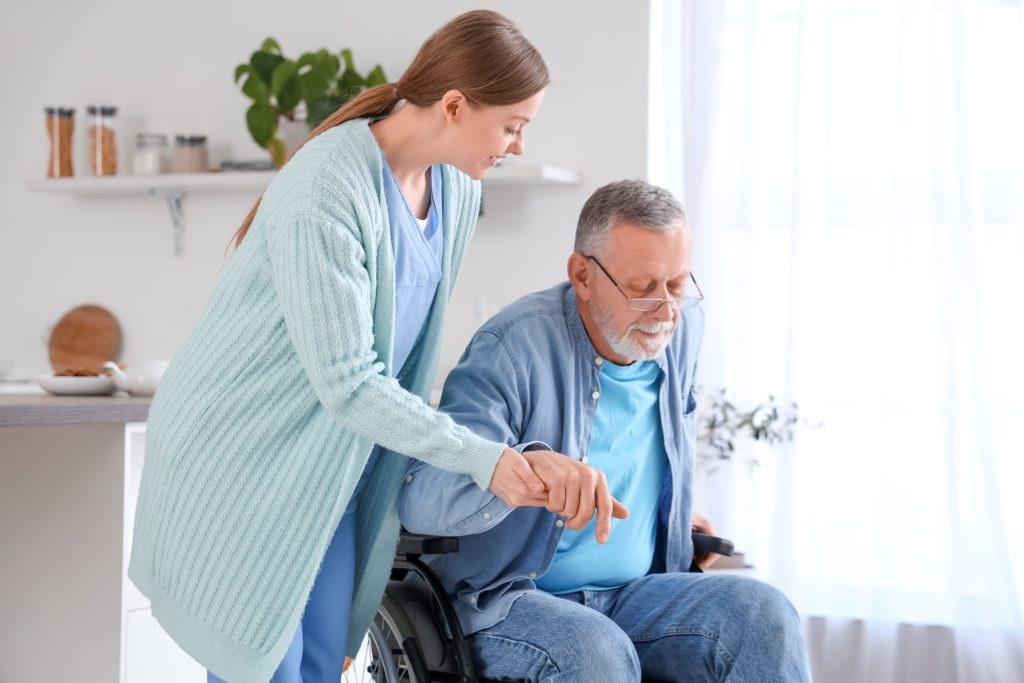
As families explore care options for aging loved ones, they often have many important questions about how professional support works and what benefits it provides. Choosing Newport Beach home care services can offer individuals the opportunity to remain in familiar surroundings while receiving personalized assistance that matches their daily needs. As the demand for home-based care continues to grow, many families are looking for trusted information that explains how these services improve comfort, independence, and overall well-being. Understanding the most frequently asked questions can make the decision process more informed and reassuring.
One of the most common questions is why home care has become such a preferred option for older adults. Recent care trends show that many seniors value remaining in their own homes because familiar surroundings contribute to emotional comfort and daily confidence. Home care allows individuals to continue enjoying their routines while receiving support that respects their independence. Families also appreciate knowing their loved ones receive compassionate attention without disrupting their established lifestyle.
Another frequently asked question is what services are generally available through professional home care. Care plans are designed to address a variety of daily living needs while adapting to individual preferences. Assistance may include personal hygiene support, mobility assistance, meal preparation, companionship, medication reminders, light housekeeping, and transportation to appointments or community activities. Every care plan can be adjusted as personal circumstances change, making home care a flexible long-term solution.
Many people also wonder who benefits most from home care services. While older adults are often the primary recipients, home care is suitable for individuals recovering from illness, managing long-term health conditions, or needing temporary assistance after medical procedures. Family caregivers may also benefit from professional support, allowing them to maintain balance between caregiving responsibilities and their personal commitments while ensuring consistent care for their loved ones.
Safety is another important topic frequently discussed by families. Professional caregivers help reduce many common household risks by assisting with mobility, monitoring daily routines, and encouraging healthy habits. Regular observation also allows caregivers to notice subtle changes in physical or emotional well-being, which can be shared with family members when appropriate. This ongoing attention creates a reassuring environment for both clients and their loved ones.
Companionship remains one of the most valued aspects of home care. Social interaction plays an important role in emotional wellness, particularly for individuals who spend much of their time at home. Caregivers provide meaningful conversations, encourage enjoyable activities, and help maintain engagement with hobbies and community interests. This consistent human connection supports emotional health while reducing feelings of isolation that many older adults experience.
Families often ask how personalized care plans are developed. Professional providers begin by understanding the individual’s lifestyle, health needs, personal preferences, and daily routines. This information allows caregivers to deliver services that respect each client’s unique circumstances. As needs evolve, care plans can be reviewed and adjusted to ensure ongoing support remains effective and appropriate.
Another common concern involves communication between caregivers and family members. Reliable home care providers understand the importance of keeping families informed while respecting client privacy. Regular updates help loved ones remain aware of progress, changing needs, and overall well-being. Open communication also builds trust and encourages collaborative decision-making throughout the care journey.
Many individuals wonder whether home care contributes to long-term quality of life. Current care observations consistently highlight that maintaining familiar surroundings often supports emotional stability, confidence, and independence. Receiving assistance at home enables individuals to continue participating in meaningful daily activities while preserving personal routines that contribute to overall satisfaction and comfort.
Families also ask what qualities they should value in a professional caregiver. Compassion, patience, reliability, strong communication skills, and respect for personal dignity are among the most important characteristics. Skilled caregivers understand that every individual deserves personalized attention delivered with empathy and professionalism. Building trusting relationships creates a positive care experience that benefits both clients and their families.
As home care continues evolving to meet the needs of growing communities, families increasingly recognize the value of individualized support delivered in the comfort of home. Understanding common questions about professional care empowers families to make informed decisions with greater confidence. By focusing on personalized assistance, meaningful companionship, safety, and ongoing communication, home care provides a dependable solution that supports independence while promoting dignity, comfort, and peace of mind for every stage of the care journey.