
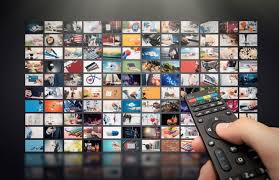
In recent years, digital streaming has transformed the way audiences consume content globally. According to industry research, over 70% of households in developed regions now subscribe to some form of internet-based TV service. Among these, services that offer flexible and customizable options have seen the highest growth. The demand for seamless viewing experiences has paved the way for platforms that prioritize reliability and variety. One of the key services capturing this attention is iptv king, known for its extensive channel selection and user-friendly interface.
What Is IPTV and How Is It Different from Traditional TV?
IPTV, or Internet Protocol Television, delivers television content over the internet rather than through conventional cable or satellite systems. Unlike traditional TV, which relies on broadcasting signals to a set geographical area, IPTV allows users to stream content directly on their devices anywhere with an internet connection. Recent surveys indicate that over 60% of younger viewers prefer streaming via IPTV services, citing convenience and on-demand access as primary factors.
Which Devices Are Most Compatible with IPTV Services?
Modern IPTV services support a wide range of devices. Smart TVs, streaming boxes, smartphones, and tablets are all compatible with most platforms. Data from 2025 shows that 45% of IPTV users access content primarily on smart TVs, while 35% prefer mobile devices. This cross-device flexibility has contributed significantly to the rising adoption rate of IPTV globally.
What Are the Advantages of Using IPTV?
IPTV provides several distinct advantages over traditional TV models:
- Customizable Channel Selection: Users can choose only the channels they need, reducing unnecessary costs.
- High-Definition Streaming: Most IPTV services now offer HD and 4K options, enhancing the viewing experience.
- On-Demand Content: Subscribers can watch shows, movies, or sports events whenever they want.
- Interactive Features: Many platforms offer live pause, rewind, and recording options, giving viewers more control.
Industry data shows that over 80% of IPTV subscribers cite content flexibility and streaming quality as primary reasons for switching from traditional services.
How Affordable Is IPTV Compared to Cable?
Cost-effectiveness remains a major driver behind IPTV adoption. Average subscription fees for IPTV services are reported to be 30–50% lower than traditional cable packages. In addition, many providers include international channels, live sports, and premium movies within the base package, adding value for viewers without escalating costs.
Are IPTV Services Legal and Safe to Use?
Legal and licensed IPTV services operate under strict copyright and content agreements. The majority of reputable platforms ensure secure streaming, encryption, and privacy protections for users. According to a 2025 market study, 92% of licensed IPTV subscribers reported no security issues, emphasizing the importance of selecting certified providers.
What Are the Global Trends Driving IPTV Growth?
Several factors are contributing to the rapid global expansion of IPTV:
- Increased Internet Penetration: Over 65% of the world’s population now has reliable internet access, enabling smoother streaming.
- Shift in Consumer Behavior: Younger audiences increasingly favor on-demand content over scheduled broadcasts.
- Technological Advancements: Enhanced streaming protocols and compression algorithms are reducing buffering and improving picture quality.
Analysts forecast that the IPTV market will grow at a compound annual growth rate (CAGR) of 12% over the next five years, underscoring the sector’s ongoing potential.
Conclusion
The evolution of television viewing is unmistakable. With high adoption rates, diverse content offerings, and cost-effective subscription models, IPTV has emerged as a dominant platform in the digital entertainment landscape. Services like iptv king continue to set benchmarks for quality and accessibility, reflecting a larger trend of internet-based content delivery that is reshaping the way audiences engage with media.