
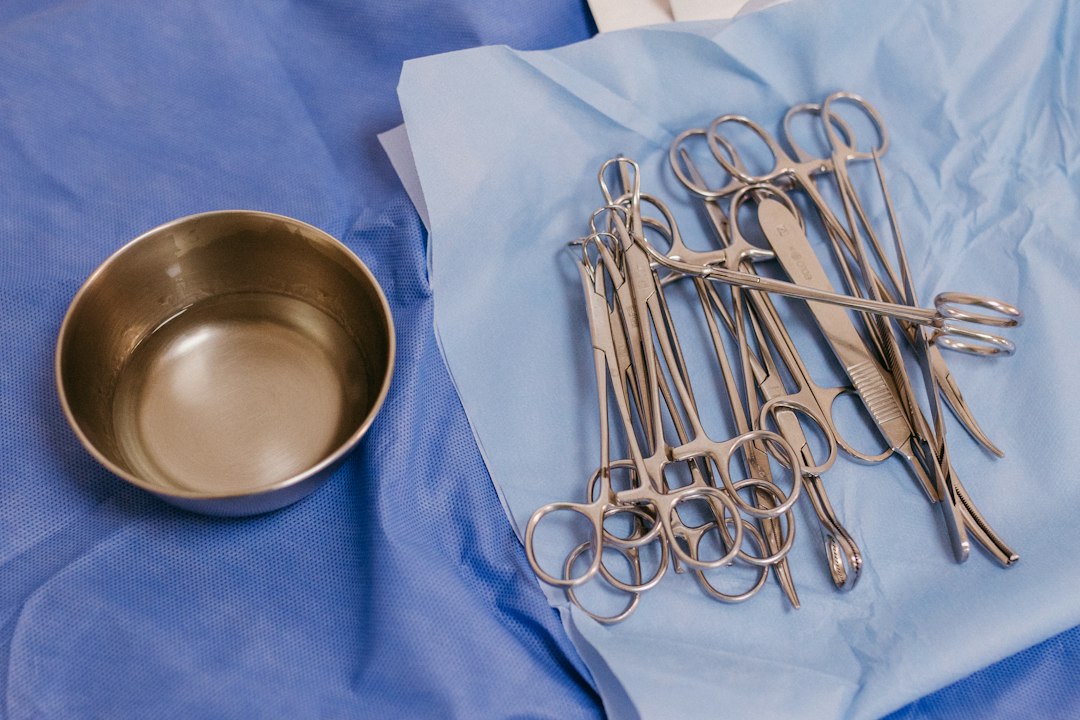
What Makes Precision a Fundamental Part of Modern Surgery?
Modern surgery requires a combination of scientific knowledge, practical experience, and careful clinical judgment. In orthopedic medicine, precision becomes particularly important because surgical procedures frequently involve complex bone structures, joint surfaces, and surrounding tissues. The professional background of Dr Steven Shannon provides an opportunity to explore how specialized orthopedic training relates to the broader importance of surgical accuracy. From evaluating injuries to planning treatment and monitoring recovery, precision influences decisions throughout the patient care process.
How Does Medical Assessment Contribute to Surgical Accuracy?
A detailed medical assessment is an essential starting point for orthopedic treatment. Before recommending surgery, physicians examine the patient’s symptoms, medical history, physical condition, and diagnostic findings.
Imaging examinations help identify fracture locations, joint abnormalities, and structural damage. These findings provide important information for selecting an appropriate treatment strategy.
Accurate assessment also helps distinguish between injuries that may respond to nonsurgical management and those requiring operative intervention. This decision-making process supports responsible care by ensuring that treatment recommendations are based on clinical evidence rather than assumptions.
Why Is Precision Particularly Important in Orthopedic Trauma?
Orthopedic trauma frequently involves unexpected injuries that require timely and carefully coordinated treatment. Fractures may affect different anatomical regions, while surrounding tissues can also experience significant damage.
Surgeons must consider several factors when managing these conditions, including bone alignment, fracture stability, blood supply, and the condition of nearby structures. Appropriate stabilization is important because it supports the healing process and helps restore anatomical function.
The experience associated with Dr Steven Shannon, a board-certified orthopedic trauma surgeon and hip and knee reconstruction specialist, reflects the specialized knowledge required to address challenging musculoskeletal conditions. This field demands the ability to evaluate complicated injuries and develop treatment strategies suited to individual clinical circumstances.
What Is the Relationship Between Surgical Technique and Patient Safety?
Surgical technique plays an important role in maintaining patient safety. Careful tissue handling, appropriate instrument selection, controlled movements, and attention to anatomical structures are important elements of responsible surgical practice.
Surgeons also follow established infection prevention protocols and safety procedures before, during, and after operations. These measures help reduce avoidable risks and support a more controlled treatment environment.
Patient safety depends on teamwork as well. Anesthesiologists, nurses, surgical assistants, and other healthcare professionals contribute to procedural preparation and monitoring. Effective communication helps ensure that each team member understands the treatment plan and their responsibilities.
How Do Clinical Statistics Help Improve Surgical Standards?
Clinical statistics provide useful insights into surgical performance and treatment effectiveness. Healthcare professionals regularly evaluate indicators such as postoperative complications, infection rates, fracture healing, readmission patterns, and functional recovery.
These measurements help identify areas where clinical practices may need improvement. However, statistics must always be interpreted in the context of patient characteristics, injury complexity, and treatment requirements.
Research findings also allow orthopedic professionals to compare established approaches with emerging techniques. Evidence-based evaluation encourages informed decisions and helps medical teams maintain consistent standards.
Why Does Individualized Treatment Matter?
Every patient presents a different combination of medical needs, physical abilities, and recovery expectations. Therefore, an identical surgical strategy may not be appropriate for every individual.
Age, bone quality, existing medical conditions, injury severity, and lifestyle considerations can influence treatment planning. Personalized assessment helps physicians determine suitable interventions while considering the patient’s broader health circumstances.
This approach also supports more meaningful communication. When patients understand the purpose of a procedure, potential risks, and expected rehabilitation requirements, they can participate more confidently in treatment decisions.
How Does Postoperative Monitoring Support Long-Term Recovery?
Surgical treatment does not end when a procedure is completed. Follow-up examinations help physicians monitor healing, evaluate joint function, and identify possible complications.
Rehabilitation is another important component of recovery. Physical therapy may help patients gradually restore movement, improve muscle strength, and develop confidence in everyday activities.
Regular communication allows healthcare professionals to adjust recovery recommendations according to individual progress. This coordinated approach recognizes that successful treatment involves both surgical care and ongoing support.
What Does Precision Mean for the Future of Orthopedic Medicine?
The future of orthopedic surgery will continue to be influenced by medical research, improved diagnostic technologies, and advancements in surgical techniques. These developments may provide additional opportunities to improve treatment planning and procedural accuracy.
The professional experience of Dr Steven Shannon reinforces the importance of specialized expertise, careful clinical assessment, and continuous learning in orthopedic practice.
Ultimately, surgical precision is more than technical performance. It represents a comprehensive commitment to preparation, patient safety, evidence-based decisions, and responsible follow-up care. These principles remain essential to maintaining high standards in modern orthopedic medicine.
What You Need to Know
- Modern surgery relies on a combination of scientific knowledge, practical experience, and clinical judgment, particularly in orthopedic medicine where precision is critical.
- Detailed medical assessments, including imaging examinations, are essential for evaluating injuries and determining appropriate treatment strategies in orthopedic care.
- In orthopedic trauma, factors such as bone alignment, fracture stability, and blood supply must be carefully managed to ensure effective treatment and support healing.
- Surgical technique is vital for patient safety, requiring careful tissue handling, appropriate instrument selection, and adherence to infection prevention protocols.
- Individualized treatment plans are necessary because each patient has unique medical needs and recovery expectations that affect the surgical approach.
- Postoperative monitoring and rehabilitation are crucial for long-term recovery, with follow-up examinations allowing for adjustments based on individual patient progress.